Weiwei Zheng
Assistant Research Fellow
Institute of Economics
Shanghai Academy of Social Sciences
Research Interests:
Urban Economics, Labor Economics,
Spatial Econometrics Theory & Application.
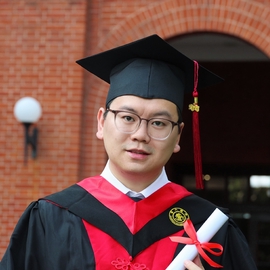
Weiwei Zheng
Assistant Research Fellow
Institute of Economics
Shanghai Academy of Social Sciences
vivid_zheng@sass.org.cn
vivid_zheng@126.com
weiweizheng.eu.org
Weiwei Zheng (郑维伟)
- I serve as an Assistant Research Fellow at the Institute of Economics, Shanghai Academy of Social Sciences.
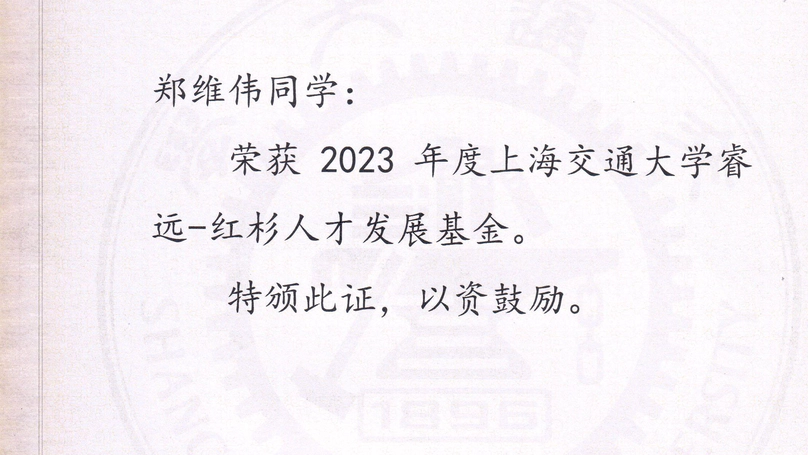
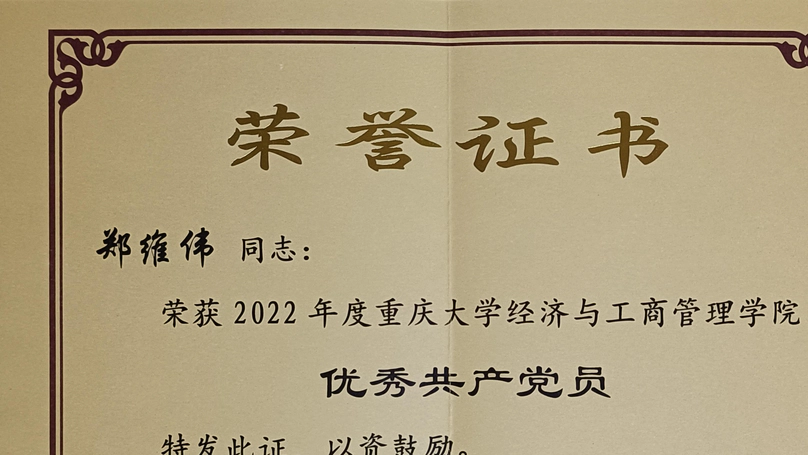
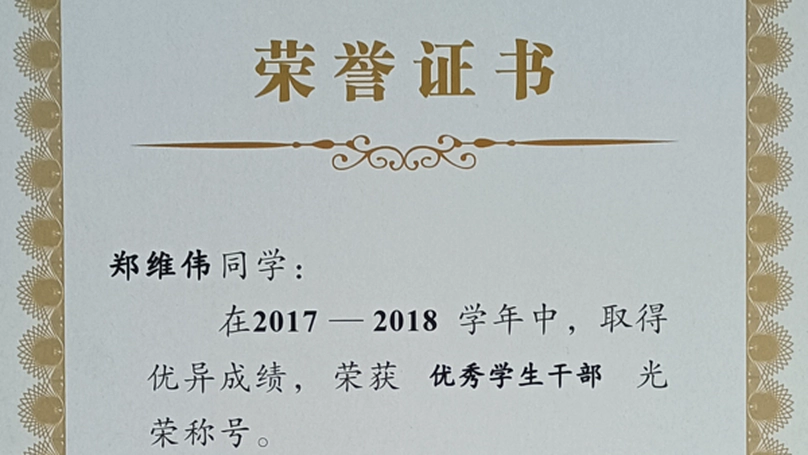
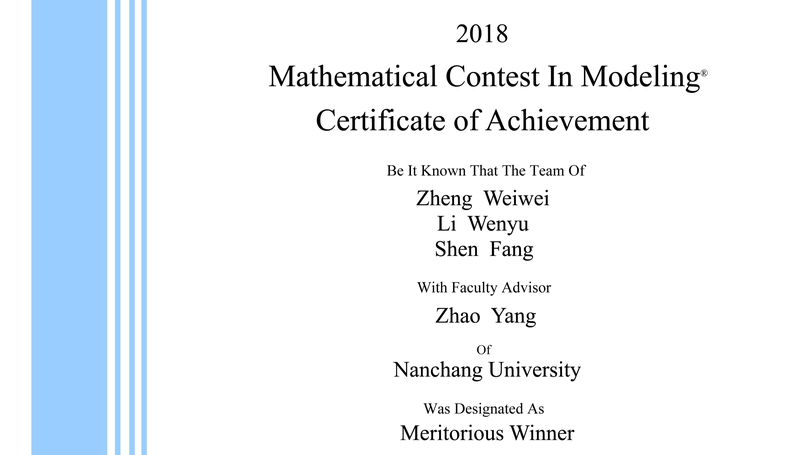
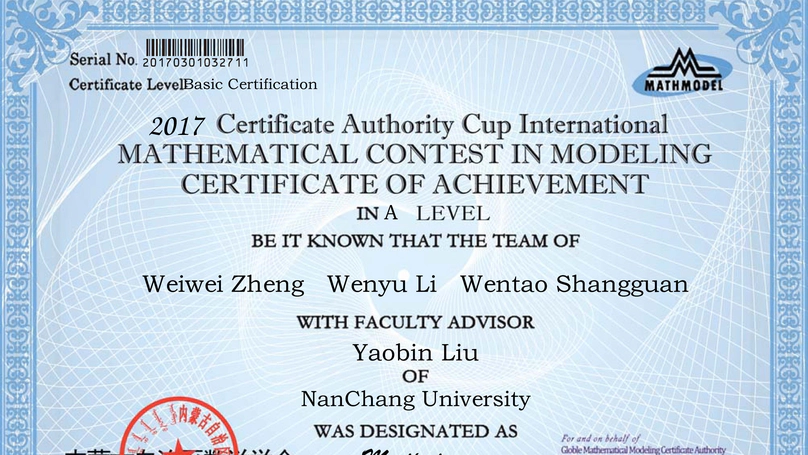
- I earned my Doctorate at Shanghai Jiao Tong University, obtained my Master’s degree at Chongqing University, and my Bachelor’s degree at Nanchang University.
- My research fields include urban economics, labor economics, and spatial econometrics theory & application. My interests focus on urban governance, digital economy, robot & AI, human capital, talent agglomeration, knowledge spillover, R&D manipulation, firm innovation, peer effect, etc.
- My research has been featured in 20+ papers across prominent journals, including 财经研究 (X2), 南开经济研究, 国际贸易问题, 管理学季刊, 现代金融研究, 城市发展研究, Energy, Telecommunications Policy, International Journal of Human–Computer Interaction.
- I have served as an anonymous reviewer for several academic journals, including Land Use Policy, Tijdschrift voor Economische en Sociale Geografie, Cogent Economics & Finance, Singapore Economic Review, 华东经济管理, among others.
- I operate the 计量经济理论与应用研究室 “Econometric Theory & Application Seminar” (ETASeminar).
- I designed the academic navigation webpage, ETASeminar, to assist researchers in their academic endeavors.
Click for my English Resumé (CV) or Chinese version.
Interests
- Urban Governance
- Digital Economy
- Robot & AI
- Human Capital
- Knowledge Spillover
- Ambidextrous Innovation
- Peer Effect
- Spatial Econometrics
Education
Ph.D., 2022.9 - 2026.6
Shanghai Jiao Tong University
Master, 2019.9 - 2022.6
Chongqing University
Bachelor, 2015.9 - 2019.6
Nanchang University
Education & Work Experience

Assistant Research Fellow
Institute of Economics, Shanghai Academy of Social Sciences

Ph.D.
Antai College of Economics and Management, Shanghai Jiao Tong University

Master
School of Economics and Business Administration, Chongqing University

Visiting
University of Oxford

Bachelor
Jiluan Academy, Nanchang University
Publications, Working Papers
(2026).
Robots and post-retirement labor supply: Evidence from China.
Telecommunications Policy.
(2024).
控股股东股权质押与企业违规行为——基于内部控制与外部监督视角.
现代金融研究.
(2024).
城投债融资成本与风险传染——基于非标融资违约的视角.
财经研究.
(2023).
多维度溢出效应政策评估方法、思路与中国优势——基于空间网络建模视角.
中国科学基金.
(2023).
经济集聚与农村居民收入增长——基于川渝地区贫困县与非贫困县的对比分析.
重庆大学学报(社会科学版).
(2023).
On industrial agglomeration and industrial carbon productivity --- impact mechanism and nonlinear relationship.
Energy.
(2023).
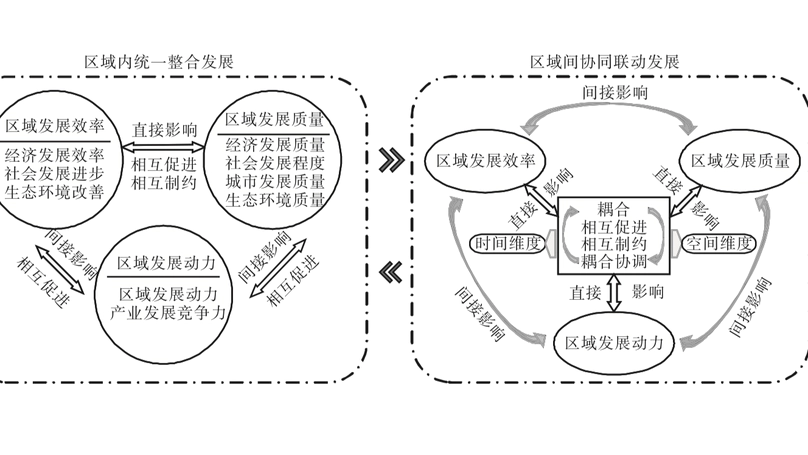
新时代中国区域发展新格局形成机制——基于“动力-效率-质量”三元体系的演化经济分析.
南开经济研究.
(2023).
中国涉农上市企业科技创新效率及提升路径———基于DEA-Malmquist与fsQCA的实证分析.
科技创新发展战略研究.
Featured Publications
Position & Rewards
.js-id-Academic















Memories and Posts

Contact
- vivid_zheng@126.com
- No. 7, Lane 622, Huaihai Middle Road, Shanghai, Shanghai, China 200020
- Institute of Economics, Shanghai Academy of Social Sciences
- 10:00 to 17:00, Monday to Friday